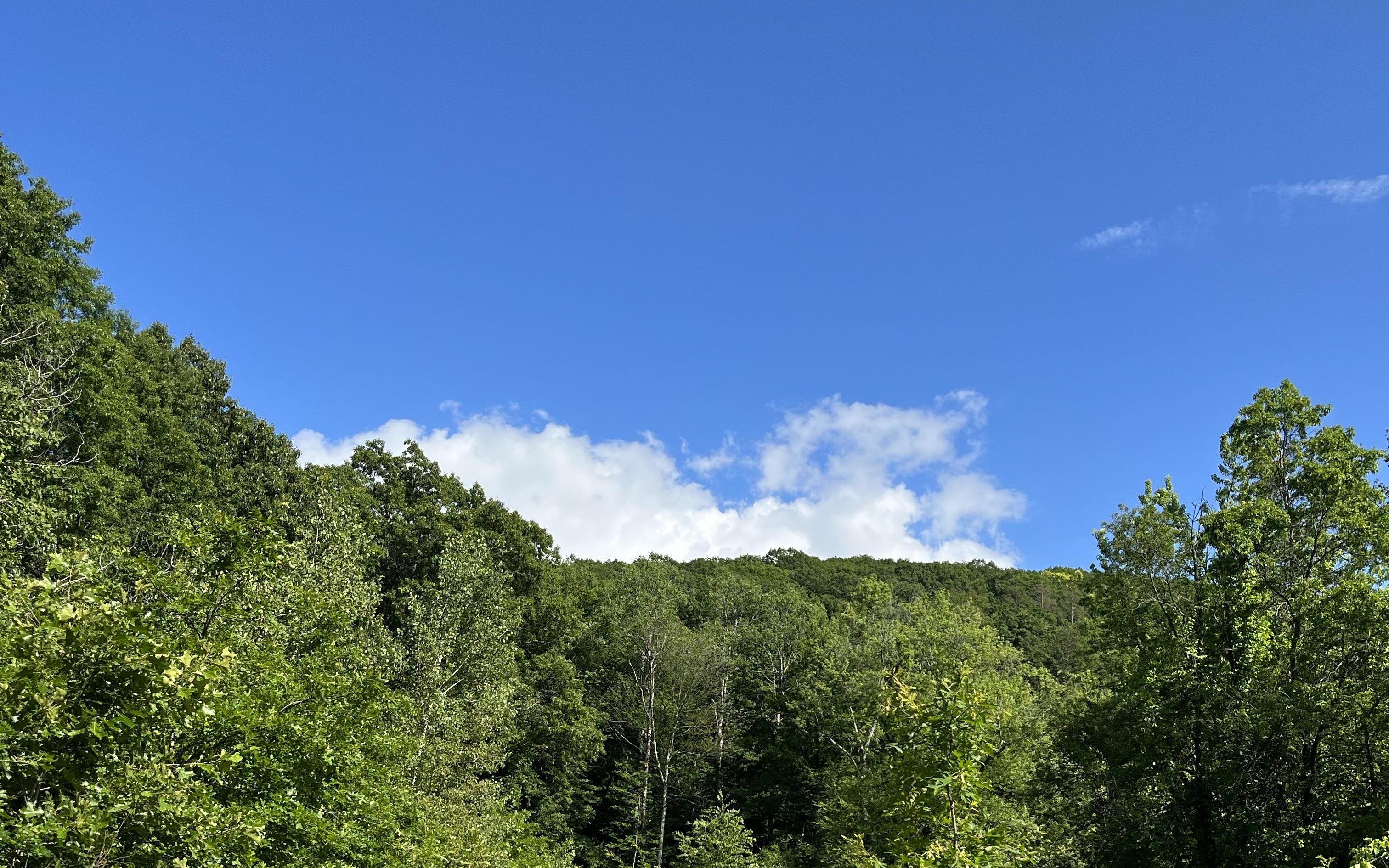
“We Are Guests on this Land”
– Dr. Margaret Bruchac, a historian of local Indigenous history
The Mountain’s Edge is on land that was taken by force from Indigenous people who did not see themselves as owners of the land. They held a wholly different view of land and their relationship to it, a view that colonization has tried to erase. As we invite children into connection with the nature, we recognize that this mountain belongs to no one and seek to learn ways of relating to the earth, and to all humans, that are life-giving and expansive rather than dominating and extractive.
We recognize and honor the Indigenous communities who have cared for this land for over 10,000 years. Most recently this was the Nonotuck or Norwottuck people until their forced displacement and genocide by the European settlers in this area.
We, as a land-based school seeking to restore connection to the land, recognize that there are currently many Indigenous people in this region working on land restoration, land reparations, and land reconnection. We honor and their work. Below is a list of communities working in the region. Please consider supporting their efforts.
We recognize that a land acknowledgement is one small part of supporting Indigenous communities. The Native Governance Center names the following ways to support:
- Support Indigenous organizations by donating your time and/or money.
- Support Indigenous-led grassroots change movements and campaigns. Encourage others to do so.
- Commit to returning land. Local, state, and federal governments around the world are currently returning land to Indigenous people. Individuals are returning their land, too. Research your options to return your land.
Regional Indigenous-Led Efforts:
- Native Land Conservancy: “(Mashpee, Massachusetts) is the first Native-run land conservation group east of the Mississippi. After centuries of hardship and economic struggle, it is only now that we can finally attend to the important work of protecting sacred spaces, habitat areas for our winged and four legged neighbors and other essential ecosystem resources to benefit Mother Earth and all human beings. All land is sacred in our eyes and worthy of special care; thus our reasons and interest in rescuing and preserving ancient ancestral village sites where our ancestors once lived and worked.”
- The Rusty Anvil (Berkshires, MA) reconnecting BIPOC to nature through mindful wilderness trips and ancestral skills workshops. https://www.the-rusty-anvil.land/
- Sassafras Earth Education is an indigenous Wôpanâak nonprofit on Nôepe (Martha’s Vineyard) that offers nature connection and cultural mentoring to youth and adults https://www.sassafrasmvy.org/support-donations:
- Northeast Farmers of Color Land Trust works towards a vision to advance permanent and secure land tenure for farmers and land stewards of color who will care for the land in a sacred manner that honors our ancestors’ dreams for regenerative agriculture, sustainable human habitat, climate justice, ceremony, native species ecosystem restoration, and cultural preservation. https://nefoclandtrust.org/reparations
- Eastern Woodlands Rematriation (EWR) is a grassroots collective led entirely by indigenous two-spirits, indigequeer, womxn and tribal families of what is now known as “New England”. Our initiatives provide capacity building, infrastructure, technical support, and formation spaces for coordinated political organizing which enhances and safekeeps sacred sites and land use, community gardens, home gardens, food forests, community apothecaries, small-scale fishing and planting fields. https://rematriate.org/
- Nipmuk Cultural Preservation Supporting Nipmuk cultural preservation. https://www.facebook.com/nipmukculturalpreservation/
- First Light Learning Journey is a collaboration in Maine between hundreds of leaders, 65 organizations and Penobscot, Passamaquoddy, Maliseet and Mi’kmaq Communities to re-learn history, recenter Indigenous voice and to return land, resources and power. https://firstlightlearningjourney.net/
There are others. Please let me know so I can add them here.
Further Resources:
- “From Nonotuck to Northampton: Recovering Histories of Indigenous Persistence”, by Dr. Margaret Bruchac
- Native Histories in Nonotuck by Historic Northampton
- “Wampanoag Common Lands project seeks to restore former Catholic camp to what it was before European colonization”
- A Guide to Indigenous Land Acknowledgements by Native Governance Center
- Land Reparations and Indigenous Solidarity Action Guide by Resource Generation
- “Return Lampson Brook Farm to the Nipmuc People” Petition
 The Mountain's Edge: An Education for these Times